A 501(c)(3) public charity · Dallas–Fort Worth
Small discoveries.
Big possibilities.
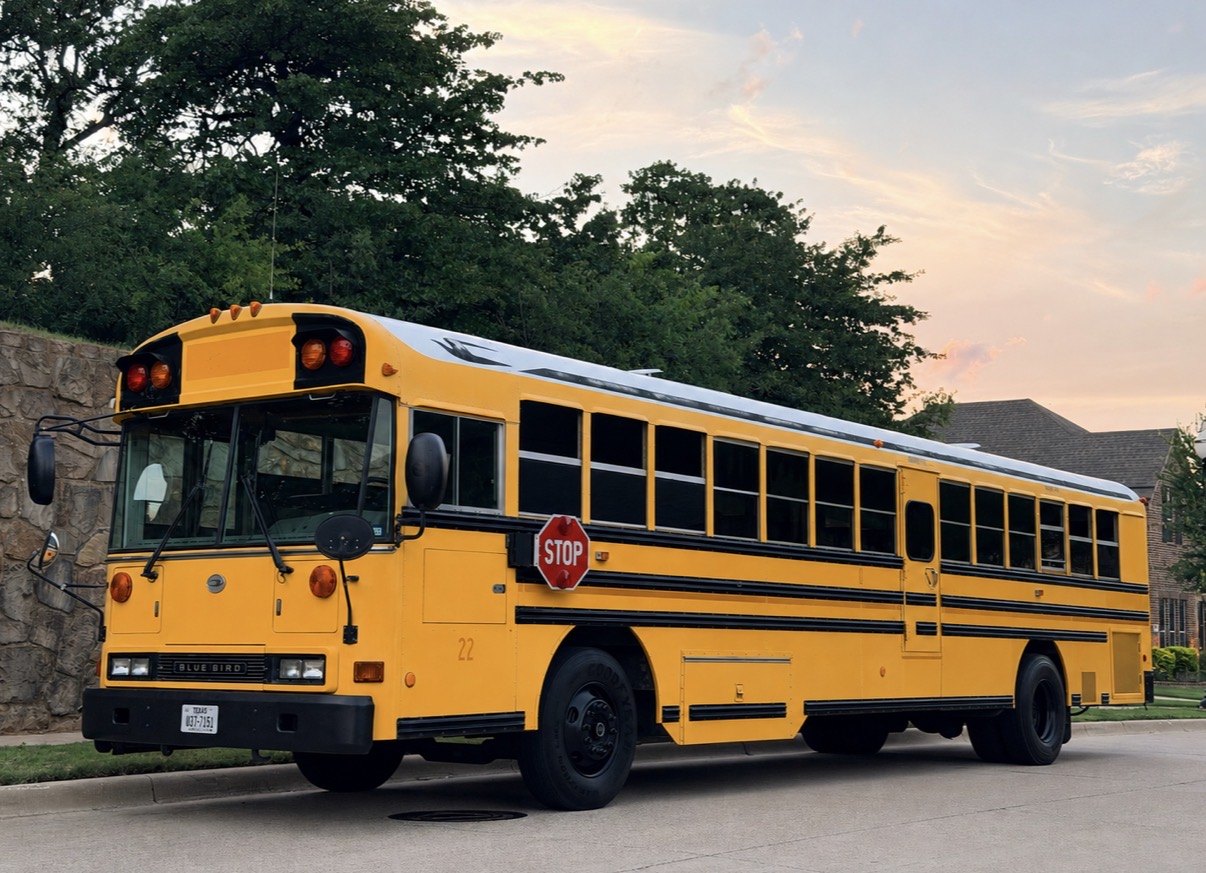
A real school bus. Questions worth asking. Hands-on experiences that help children explore safety, discover how things work, and feel more confident around transportation.
Two ways to begin
A little curiosity.
A little more confidence.
Every visitor starts somewhere. Our signature experiences meet children where they are.
Little Pre-Trip
Look at real equipment, notice the details, and discover why a driver checks it before every trip.
Explore the challenge For a more familiar first stepReady to Ride
See the bus, explore at your own pace, and ask questions with a trusted adult nearby. There is no rush to board.
See what to expectA lesson at every event
Five giant steps. One lasting habit.
School-Bus Safety
Understand the danger zone, practice the boarding routine, and remember S.A.F.E. Our standard safety activity turns the space around a bus into a lesson children can take to their own stop.
The discovery lab
One bus. So much to explore.
Choose a stop and find a question to bring to your next RTD visit.
Stop 01 / Safety
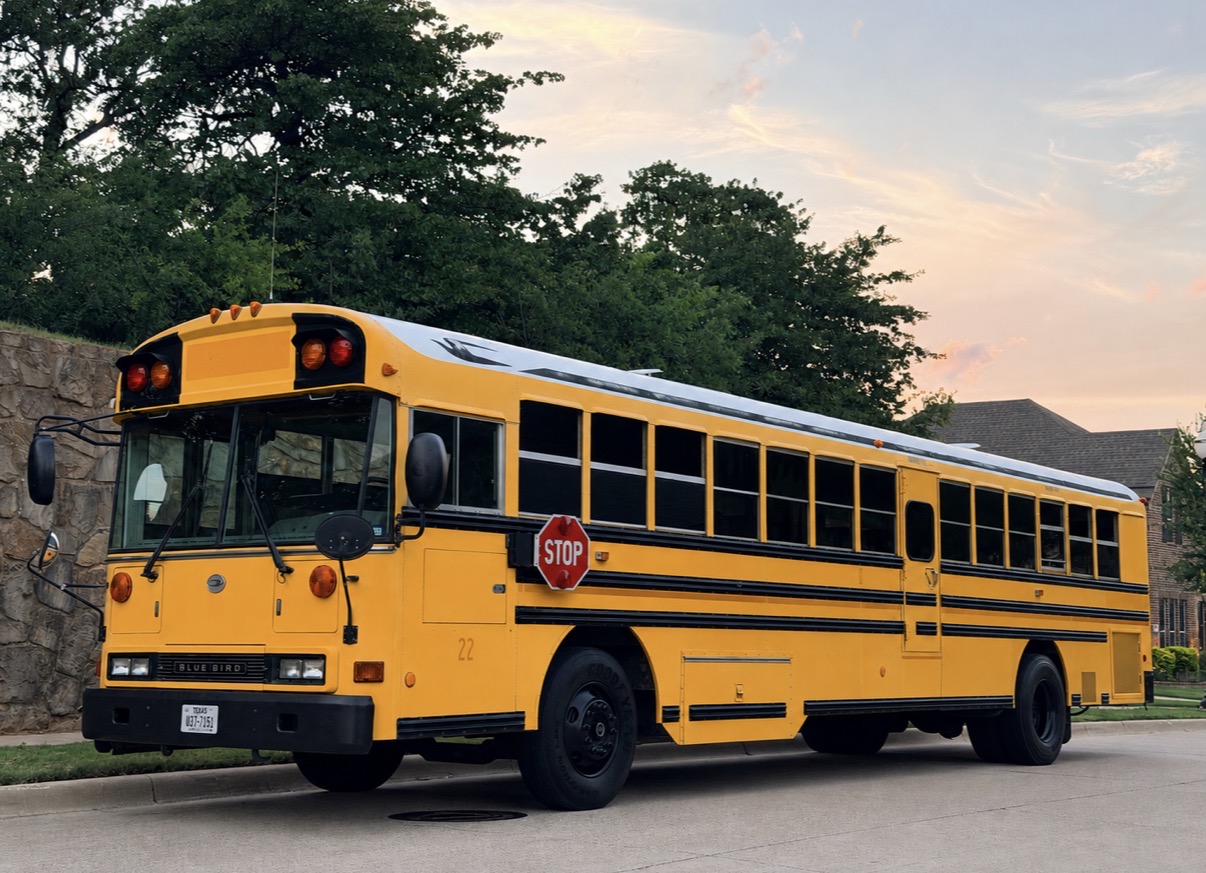
A big bus has blind spots.
Mirrors help drivers see more, but they do not make every area around a bus visible. At RTD, visitors can explore why sight lines and safe waiting areas matter.
What can the driver see from the seat—and what might be hidden?
Did you know?
There is a lesson
in the details.
Open a question. Take one new idea with you.
Why are school-bus seats so tall?
School-bus seats are part of the vehicle’s safety design. Strong, closely spaced, energy-absorbing seat backs create a protective space called compartmentalization.
Notice how the seats form a series of small spaces along the aisle. At an RTD visit, compare that arrangement with a family car. Follow your school’s seating and seat-belt instructions on an actual trip.
Talk it through: What changes when a passenger turns around or puts a bag in the aisle?
Explore NHTSA’s school-bus guidance ↗What does “RE” mean on our bus?
RE stands for Rear Engine. On RTD’s Blue Bird, the engine sits at the back. That makes the rear engine bay a starting point for exploring how vehicle systems connect.
Think of the engine as one member of a team: it needs fuel, air, cooling, and electrical support. Identifying a component is the first step; asking what it depends on is where the engineering begins.
Follow the connection: Pick a visible hose or wire with your facilitator. What might it carry, and what question would help you find out?
Keep exploring vehicle systems ↗Dropped something beside a bus?
Leave the item where it is and tell the driver. Reaching down beside or beneath the bus can put you somewhere the driver cannot see.
Make this a conversation before the first school day: a dropped book or water bottle is a reason to ask for help. It is never a reason to crawl under a bus.
Practice the words: “I dropped something near the bus. Can you help?”
Explore everyday safety situations ↗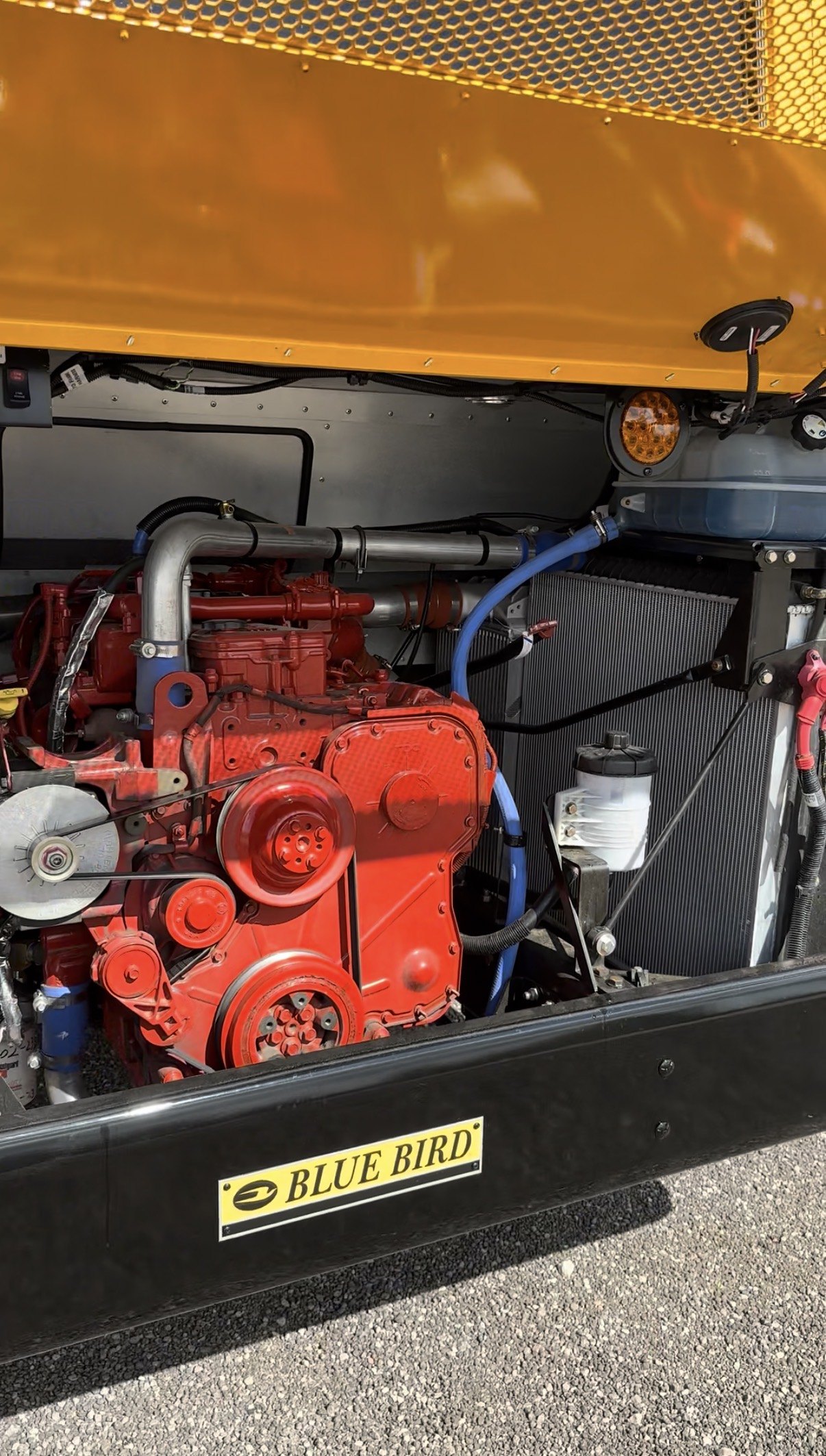
Beyond the driver’s seat
Meet the work
behind the wheels.
One bus connects drivers, technicians, engineers, dispatchers, and instructors. RTD uses those connections to introduce transportation careers and make science and engineering visible.
Explore systems & careersBring curiosity to your community.
Planning a festival, school visit, safety fair, or youth event? Let’s find the right experience.